
Symptoms and Treatment
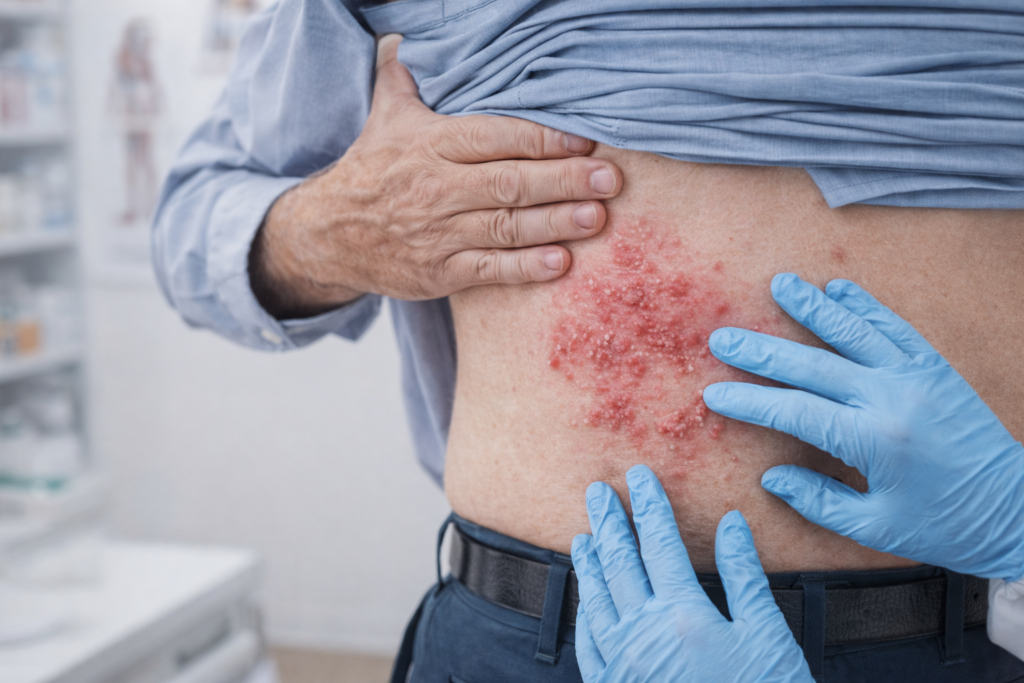
Shingles symptoms and treatment are important to understand because early recognition and care can reduce pain, shorten recovery time, and prevent complications.
This virus (also called herpes zoster) is a viral infection caused by the same virus that causes chickenpox. After you recover from chickenpox, the virus stays inactive in your body and can reactivate later in life as shingles.
Shingles is common, especially in adults over 50 or those with weakened immune systems.
If you notice symptoms early, it’s important to seek medical advice quickly:
https://vivahealthcentres.com/
Early Symptoms
Before the rash appears, many people experience early warning signs.
Early Symptoms Include:
- Tingling or burning sensation
- Itching in a specific area
- Pain on one side of the body
- Sensitivity to touch
- Fever or headache
These symptoms can appear days before the rash develops, which is why early detection can be challenging.
Centers for Disease Control and Prevention – Symptoms
https://www.cdc.gov/shingles/signs-symptoms/index.html
Common Symptoms
The most recognizable sign of this virus is the rash.
Key Symptoms:
- Painful rash on one side of the body
- Blisters filled with fluid
- Rash in a band or stripe pattern
- Red or inflamed skin
- Itching or burning
- Fever and fatigue
The rash usually forms blisters that scab over within 7–10 days and heal in about 2–4 weeks.
Pain can sometimes be severe and may continue even after the rash disappears.
Where Shingles Appears
Typically appears:
- On one side of the torso
- Around the chest or waist
- On the face (in some cases)
- Around the eyes or ears (more serious)
The rash usually follows nerve pathways and does not cross to the other side of the body.
Treatment Options
1. Antiviral Medications
The main treatment for this virus is antiviral medication.
Common Antivirals:
- Acyclovir
- Valacyclovir
- Famciclovir
These medications help:
- Reduce severity
- Shorten duration
- Lower risk of complications
Treatment works best when started within 72 hours of the rash appearing.
2. Pain Management
This virus can cause significant nerve pain.
Doctors may recommend:
- Pain relievers
- Anti-inflammatory medications
- Nerve pain medications
Managing pain early is important to prevent long-term complications.
3. Home Care and Symptom Relief
While medication is important, home care can help improve comfort.
Helpful Measures:
- Cool compresses
- Oatmeal baths
- Calamine lotion
- Keeping the rash clean and dry
- Wearing loose clothing
These methods help reduce itching and discomfort but do not replace medical treatment.
Why Early Treatment Matters
Starting treatment early is one of the most important parts of managing shingles.
Early treatment can:
- Speed healing
- Reduce pain
- Prevent complications
- Lower risk of long-term nerve damage
Medical guidelines emphasize starting antiviral treatment as soon as possible after symptoms begin.
Possible Complications
Without proper treatment, shingles can lead to complications.
Common Complications:
- Postherpetic neuralgia (PHN) (long-term nerve pain)
- Skin infections
- Vision problems (if rash affects the eye)
- Hearing issues
- Neurological complications
Long-term nerve pain is the most common complication and can last months or even years.
Who Is at Higher Risk?
You may be more likely to develop shingles if you:
- Are over age 50
- Have weakened immunity
- Have chronic health conditions
- Are under high stress
- Have had chickenpox
Age is one of the biggest risk factors for shingles.
When to See a Doctor
You should seek medical care if you notice symptoms of shingles.
See a Doctor If:
- You have a painful rash
- You feel tingling or burning on one side of the body
- The rash is near your eyes or face
- Pain is severe
- Symptoms worsen quickly
Early diagnosis is key to effective treatment.
https://vivahealthcentres.com/contact-us
When to Seek Urgent Care
Get immediate care if:
- The rash is near your eyes
- You have vision changes
- You experience severe pain
- You have a weakened immune system
- Symptoms spread rapidly
Shingles affecting the face or eyes can lead to serious complications and requires urgent treatment.
Can Shingles Be Prevented?
Yes—vaccination is the best way to prevent shingles.
Health authorities recommend shingles vaccines for adults over 50 to reduce risk and severity.
Vaccination can:
- Lower chances of getting shingles
- Reduce severity if it occurs
- Prevent long-term nerve pain
Quick Checklist
✔ Tingling or burning sensation
✔ Pain on one side of the body
✔ Blistering rash
✔ Itching or sensitivity
✔ Fever or fatigue
Final Takeaway
Shingles symptoms and treatment are important to recognize early to avoid complications and manage the condition effectively.
Key Points:
- Shingles causes a painful rash and nerve pain
- Early symptoms may appear before the rash
- Antiviral treatment works best within 72 hours
- Pain management is essential
- Early care reduces complications
If you suspect shingles, do not wait—early treatment can make a significant difference in recovery and comfort.


