


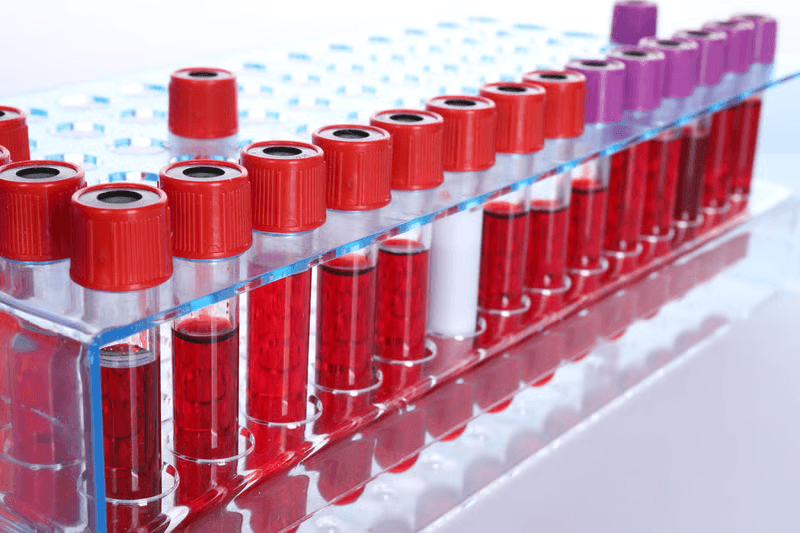

What blood tests should you ask for during a checkup in Ontario is a common question for patients who want to stay proactive about their health. Blood tests are one of the most effective ways to detect early signs of disease—even before symptoms appear.
Routine bloodwork helps doctors assess organ function, identify risk factors, and guide preventive care decisions. However, not every test is necessary for every patient, and testing should always be based on your personal health history, age, and risk factors.
Most medically necessary blood tests in Ontario are covered by OHIP when ordered by a doctor.
If you are preparing for a checkup, understanding the most commonly recommended tests can help you have a more informed discussion with your doctor.
https://vivahealthstg.wpenginepowered.com/
Why Blood Tests Are Important
Blood tests provide valuable insight into how your body is functioning internally.
They can help detect:
Diabetes and prediabetes
High cholesterol
Liver disease
Kidney function issues
Infections
Nutritional deficiencies
Routine blood testing allows early intervention and better long-term health outcomes.
1. Complete Blood Count (CBC)
A Complete Blood Count (CBC) is one of the most commonly ordered tests.
What It Checks:
Red blood cells
White blood cells
Platelets
Why It Matters:
Detects anemia
Identifies infection
Screens for blood disorders
CBC is often included in general health screening and provides a broad overview of your health.
2. Blood Sugar (Glucose or HbA1c)
Blood sugar testing is essential for identifying diabetes or prediabetes.
What It Checks:
Fasting glucose levels
Average blood sugar over time (HbA1c)
Why It Matters:
Screens for diabetes
Helps monitor insulin function
Doctors commonly recommend this test, especially for adults over 40 or those with risk factors.
3. Cholesterol Panel (Lipid Profile)
A lipid panel measures fats in your blood.
What It Includes:
LDL (bad cholesterol)
HDL (good cholesterol)
Triglycerides
Why It Matters:
Assesses heart disease risk
Helps guide lifestyle or medication decisions
Routine cholesterol screening is recommended starting around age 40 or earlier if risk factors are present.
4. Kidney Function Tests
These tests evaluate how well your kidneys are filtering waste.
What It Includes:
Creatinine
Estimated GFR
Electrolytes
Why It Matters:
Detects early kidney disease
Monitors chronic conditions
Kidney testing is often part of a metabolic panel used in routine checkups.
5. Liver Function Tests
Liver tests check for inflammation or damage.
What It Includes:
ALT
AST
Bilirubin
Albumin
Why It Matters:
Detects liver disease
Monitors medication effects
Assesses metabolic health
These tests are often included in routine panels to evaluate organ health.
6. Thyroid Function Tests
Thyroid hormones play a key role in metabolism and energy.
What It Includes:
TSH (thyroid-stimulating hormone)
T3 and T4 (in some cases)
Why It Matters:
Identifies hypothyroidism or hyperthyroidism
Explains fatigue, weight changes, or mood issues
7. Iron Studies
Iron testing is useful if you experience fatigue or weakness.
What It Includes:
Ferritin
Iron levels
Transferrin
Why It Matters:
Detects iron deficiency
Identifies anemia
8. Vitamin Levels (When Needed)
Vitamin testing is not always routine but may be recommended.
Common Tests:
Vitamin B12
Vitamin D
Why It Matters:
Supports energy and immune function
Identifies nutritional deficiencies
9. Additional Tests Based on Risk Factors
Depending on your health profile, your doctor may recommend:
STI screening
Hormone testing
PSA (prostate screening)
Inflammatory markers
Hepatitis screening
Screening decisions depend on lifestyle, age, and medical history.
How Often Should You Get Blood Tests?
There is no one-size-fits-all schedule.
General guidance:
Healthy adults: every 1–3 years
Age 40+: more regular screening
Chronic conditions: every 3–6 months
Testing frequency should always be personalized based on your health.
Important: Not All Tests Are Necessary
Many people assume more testing is always better—but that is not true.
Unnecessary blood tests can:
Lead to false positives
Cause unnecessary stress
Result in additional testing
Medical guidelines emphasize ordering tests based on medical need, not routine habit.
What to Ask Your Doctor
When discussing what blood tests should you ask for during a checkup in Ontario, consider asking:
Which tests are recommended for my age?
Do I need diabetes or cholesterol screening?
Should I check my thyroid or vitamin levels?
How often should I repeat tests?
Do I need fasting before testing?
How to Prepare for Blood Tests
Some tests require preparation.
You may need to:
Fast for 8–12 hours (for glucose or cholesterol tests)
Stay hydrated
Bring your health card
Follow instructions from your clinic
Preparation helps ensure accurate results. learn more here!
When to Book a Checkup
You should consider a checkup if:
It has been more than a year
You have new symptoms
You have risk factors (diabetes, heart disease, etc.)
You want preventive screening
Quick Checklist
✔ CBC
✔ Blood sugar (glucose/HbA1c)
✔ Cholesterol panel
✔ Kidney function
✔ Liver function
✔ Thyroid test
✔ Iron levels
✔ Additional tests if needed
Final Takeaway
If you are wondering what blood tests should you ask for during a checkup in Ontario, the answer depends on your health, age, and risk factors.
Most Common Tests:
CBC
Blood sugar
Cholesterol
Kidney and liver function
Thyroid
Key Advice:
Do not request tests randomly—work with your doctor to choose the right tests for your health.
Preventive bloodwork is one of the most powerful tools for early detection and long-term wellness.
Shima
Operations Manager, Nexora Labs